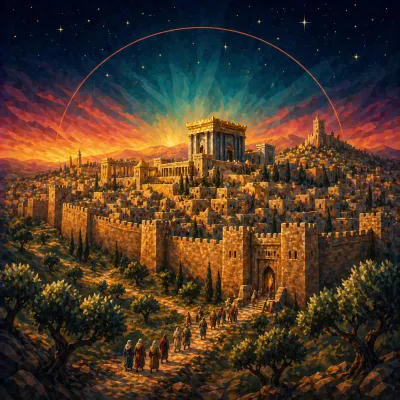
Mount Zion
Mount Zion originally referred to the fortified hill that David captured from the Jebusites, making it the City of David. Over time, the name expanded to include the Temple Mount and came to represent Jerusalem as a whole, and ultimately the dwelling place of God. In Scripture, Zion symbolizes God's chosen city, His people, and the heavenly Jerusalem. The prophets spoke of Zion as the place from which salvation would come and where God would reign forever.
Historical Timeline
Mount Zion was originally a fortified Jebusite stronghold. The Jebusites boasted that even the blind and lame could defend it against any attack, believing it to be impregnable due to its natural defenses and strong walls.
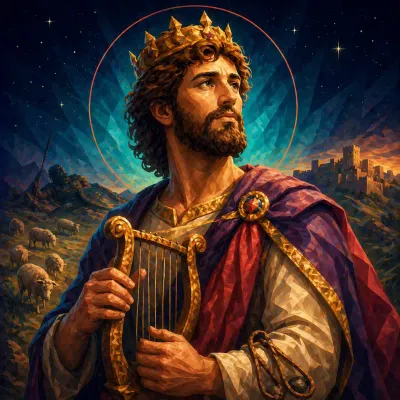
2 Samuel 5:6King David captures the fortress of Zion from the Jebusites, making it his capital and renaming it the City of David. This strategic conquest unites the northern and southern tribes under one capital, establishing Jerusalem as Israel's political and future spiritual center.
2 Samuel 5:7David brings the Ark of the Covenant to Zion with great celebration. Dancing before the Lord with all his might, David establishes Zion as the dwelling place of God's presence. A tent is set up to house the ark until Solomon builds the temple.
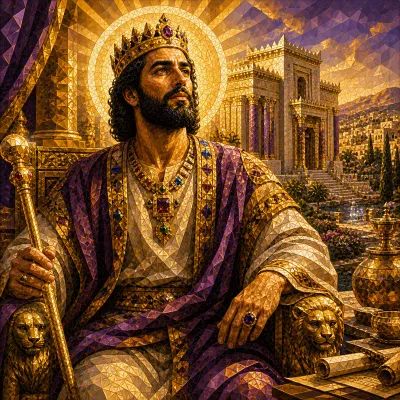
2 Samuel 6:12-15Solomon builds the temple on Mount Moriah, adjacent to Zion. The name Zion expands to encompass the temple mount and eventually the whole city. God's glory fills the temple, and Zion becomes synonymous with the place where heaven and earth meet.
1 Kings 8:10-11The psalmists celebrate Zion as God's holy mountain, the joy of the whole earth. Psalms 46, 48, 76, 84, 87, and 122 extol Zion's beauty and security, declaring that God Himself is her defender. Pilgrims sing these songs as they ascend to Jerusalem for festivals.
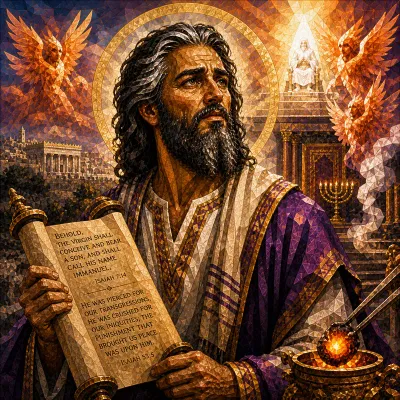
Psalm 48:1-2The prophets proclaim that from Zion the law will go forth, and the word of the Lord from Jerusalem. Isaiah, Joel, and Micah envision Zion as the place where God will establish His kingdom, where nations will stream to learn His ways, and where the Messiah will reign.
Isaiah 2:3After Babylon destroys Jerusalem, the exiles weep by the rivers of Babylon when they remember Zion. Psalm 137 captures their grief and their vow never to forget Jerusalem. Zion becomes a symbol of lost homeland and future restoration.
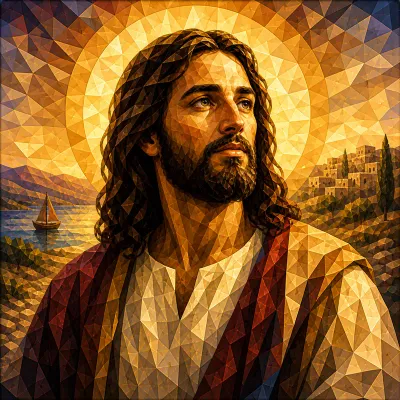
Psalm 137:1-6Jesus weeps over Jerusalem, longing to gather her children as a hen gathers her chicks. He teaches in the temple on Mount Zion, celebrates the Last Supper in the upper room on Zion, and is crucified just outside the city walls. His death and resurrection fulfill Zion's prophetic destiny.
Matthew 23:37The New Testament reveals that believers have come to Mount Zion, the city of the living God, the heavenly Jerusalem. This spiritual Zion is where God dwells with His people through Christ. The earthly Zion pointed to this greater heavenly reality all along.
Hebrews 12:22In Revelation, John sees the Lamb standing on Mount Zion with the 144,000 who have His name and the Father's name written on their foreheads. They sing a new song before the throne—a vision of ultimate victory and worship in the presence of God.
Revelation 14:1Notable Characters