Updated on
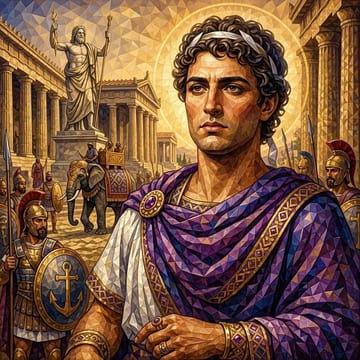
Antiochus IV Epiphanes Seleucid King Who Profaned the Temple
About Antiochus IV Epiphanes
Antiochus IV Epiphanes was a Seleucid king who began to reign in 175 BC; 1 Maccabees calls him "a wicked root". Returning from Egypt, he plundered the Temple of Jerusalem, then ordered the Jews to abandon their law and set up the abomination of desolation on the altar. His persecution provoked the revolt of Mattathias and Judas Maccabeus. Both books of Maccabees tell of his miserable death far from home after a failed attempt to plunder a temple in Persia, though they differ on the details.

Chat with Antiochus IV Epiphanes
Ask Antiochus IV Epiphanes a question and get an answer in their own words, grounded in Scripture.
AI roleplay for educational purposes. Answers are grounded in the Bible but may contain mistakes.
Antiochus IV Epiphanes's Character Traits
Antiochus IV Epiphanes's Life Timeline
Plunder of the Templec. 169 BC
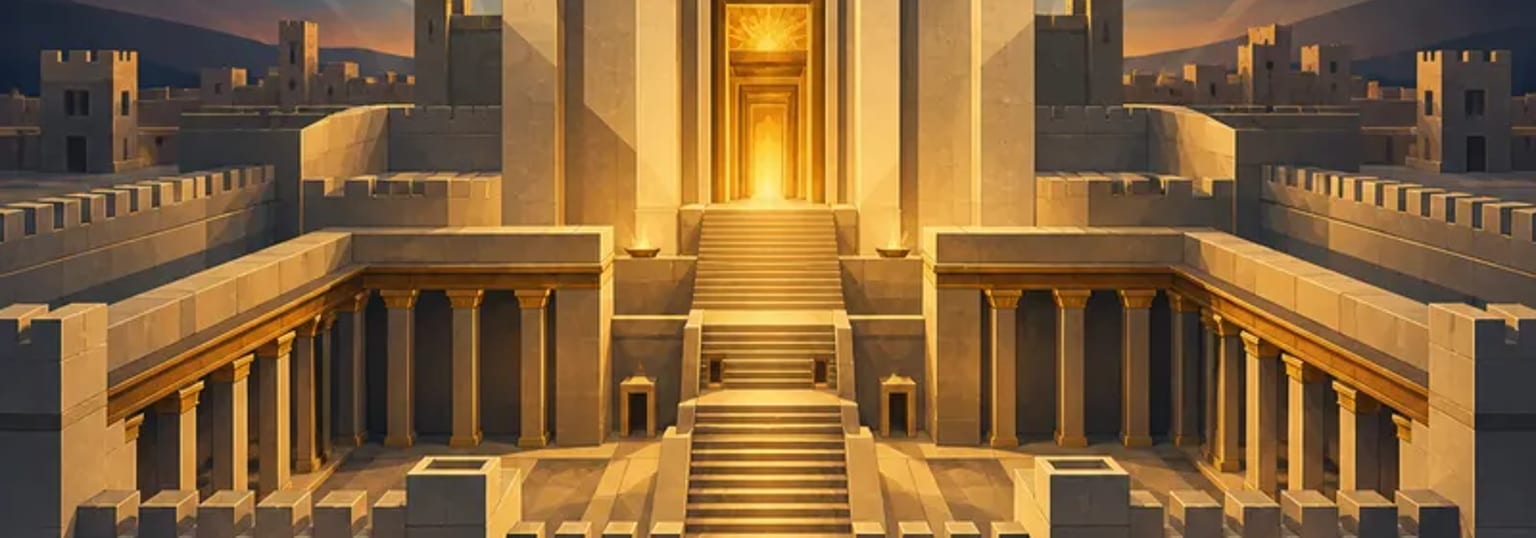
Returning from his campaign in Egypt, he goes up against Jerusalem, enters the sanctuary and carries off the golden altar, the lampstand, the table and the hidden treasures, after a great massacre.
1MA 1:20-24Decree against the Lawc. 167 BC
He orders his whole kingdom to become one people and sends letters to Jerusalem and the cities of Judah forbidding sacrifices, Sabbaths and circumcision, on pain of death.
1MA 1:41-50Abomination of Desolationc. 167 BC
On the 15th of Casleu in the 145th year, the abomination of desolation is set up on the altar; 2 Maccabees adds that the Temple is dedicated to Jupiter Olympius.
1MA 1:54-61The Seven Brothersc. 167 BC
2 Maccabees shows the king in person trying to force seven brothers and their mother to eat swine's flesh; each dies refusing, professing hope in the resurrection.
2MA 7:1-41Death of the Kingc. 164 BC
In 1 Maccabees he falls sick with grief, recalls the evils he did at Jerusalem and dies in a strange land in the 149th year; 2 Maccabees describes an incurable plague, a late vow to free Jerusalem, and death in the mountains.
1MA 6:8-16
Antiochus IV Epiphanes's Key Relationships


Antiochus IV Epiphanes's Key Locations


Spiritual Lessons from Antiochus IV Epiphanes
Pride Goes Before a Fall
2 Maccabees portrays a king who thought he could command the waves of the sea and reach the stars, then could not bear his own body. Human power that sets itself against God is shown to be fragile.
Persecution Does Not Have the Last Word
Antiochus banned the law and profaned the Temple, yet within three years the altar was rebuilt and worship restored. The books of Maccabees read his reign as a trial that God allowed and brought to an end.
Key Verses about Antiochus IV Epiphanes
Frequently Asked Questions
Latest from the Blog
Fresh reflections on faith and Scripture

The Manager Mindset: Why You Don't Actually Own Anything
What if the money in your bank account isn't really yours? Shifting from ownership to stewardship transforms how we work, spend, and find contentment. When we see ourselves as managers of God's resources rather than owners, everything changes.
Read more
Cracking the Color Code: What the Hues of Revelation Really Mean
The Book of Revelation isn't just filled with beasts and trumpets. It's painted in a deliberate palette where every color carries weight. From white robes to scarlet dragons, understanding these visual symbols unlocks layers of meaning John embedded in his apocalyptic vision.
Read more
Why Genesis Leaves So Many Questions Unanswered
Genesis opens the Bible with creation, but it doesn't tell us everything we want to know about origins. The gaps in the narrative aren't oversights but intentional choices that shape how we approach faith, science, and the biggest questions of existence.
Read more